From the Page to the Microphone: Narrating My First Audiobook
From two days in the recording studio to weeks of listening, reviewing, and remastering, a behind-the-scenes look at producing The Principles of MESLO audiobook.
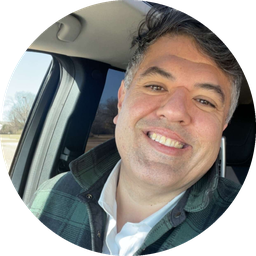
Today, I wrapped up my final review of the audiobook files for The Principles of MESLO: The Art & Science of an Estimate. I requested that three chapters receive additional audio mastering to address what sounded like excessive breathing between passages. Unlike reviewing a printed manuscript, reviewing an audiobook requires listening carefully to every word, pause, transition, and unexpected sound. I downloaded the audio files to my MacBook Air, put on headphones, and listened intently for anything that might distract from the listener’s experience.
It’s a different kind of editing process, but one that’s equally important.
Studio Time: September 7–8, 2026
On September 7 and 8, I spent two days in a recording studio narrating my book directly from the PDF manuscript. After nearly three years of writing, rewriting, editing, and preparing the manuscript for publication, I discovered something unexpected: reading your own words aloud is an entirely different discipline from writing them. Every sentence has a rhythm. Every paragraph requires pacing. And every idea must be communicated clearly enough that someone listening—perhaps while driving, walking, or working—can understand it without turning back a page. For the recording, I worked with Vancouver-based The Sound Stage, whose team guided me through the production process.
The studio setup was straightforward: a recording booth, headphones, a microphone, and a screen displaying the manuscript. An audio engineer worked outside the booth, monitoring the recording and listening for mistakes. If I mispronounced a word, stumbled through a sentence, or skipped something entirely, the engineer could stop the session, have me rerecord the passage, and punch me in at the appropriate point. This allowed us to correct mistakes as they occurred and continue recording without having to restart entire chapters.
Over two full days, we worked through the manuscript from beginning to end.
A Few Essentials
I quickly developed a short list of requirements for a productive recording day:
- A dirty chai.
- Bottled water.
- Snacks and scheduled breaks.
- An early start.
By the second day, however, I began to feel a little winded. I may have been breathing harder, and I suspect I was also reading faster. Perhaps that happens when you’re approaching the end of a two-day recording commitment and your mind begins racing toward the other priorities waiting for your attention.Whatever the reason, it reinforced something important: narration requires physical stamina, concentration, and deliberate pacing.
Review and Commenting: Listening for the Details
Once the initial recordings were complete, the next step was reviewing the audio files. The objective was to identify glitches, unusual sounds, inconsistent pacing, or passages that needed additional attention. I listened primarily for tone, depth, clarity, and speed. When I found an issue, I documented the chapter and the exact timestamp so the engineering team could locate it.
For example:
005 – Preface / 4:28, 5:27
This identified two points in the Preface that needed review: one at four minutes and 28 seconds, and another at five minutes and 27 seconds. It’s a simple system, but an effective one. The audiobook runs a little over six hours, so reviewing the recording required a significant commitment of time.
I completed listening and commenting sessions on September 14, 15, 16, 17, 18, 19, 22, 23, 24, and 26.Each session lasted approximately 30 minutes to two hours, often squeezed between other professional responsibilities. By the end, I had listened to portions of my own manuscript more times than I care to count. The final review also revealed three chapters where the breathing sounded unusually pronounced. I requested additional mastering to improve the listening experience. It was another reminder that completing a recording and producing a finished audiobook are two very different milestones.
The People Behind the Microphone
I’m grateful for the engineering support and expertise at The Sound Stage, particularly Jessica Geffen, who helped make the recording experience professional, enjoyable, and rewarding. Her guidance and attention to detail made an unfamiliar process much easier to navigate. A special thanks also goes to my mother, Catalina, for her emotional support before, during, and after the recording sessions. She made sure I had water, snacks, and reminders to take breaks. All small gestures that made a meaningful difference over two long days.
From Recording to Distribution
With the recording and final review process behind me, the next milestone is distribution. The audiobook is being prepared for availability through major audiobook platforms, including Audible, Amazon, Spotify, and Apple Books. Each platform has its own processing and publication timeline, so availability may vary.
My hope is that the audiobook will make The Principles of MESLO accessible to people who prefer listening while commuting, traveling, exercising, or working.
A Different Way to Communicate
Writing a book taught me how to organize ideas on the page. Narrating that same book taught me something else: the written word and the spoken word place different demands on the person communicating. A sentence that reads well on paper doesn’t always sound natural when spoken aloud. A paragraph that appears concise may require a slower pace for the listener to absorb its meaning. And sometimes, the most important part of communicating an idea is knowing when to pause. That lesson extends beyond writing and audiobook production. It applies to teaching, leadership, public speaking, and the everyday work of helping others understand complex ideas. After nearly three years of developing this book, hearing the finished manuscript in my own voice has been one of the most rewarding parts of the experience. I look forward to sharing it with listeners.