From the Page to the Microphone: Narrating My First Audiobook
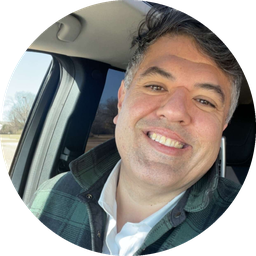
Today, I wrapped up final review of The Principles of MESLO: The Art & Science of an Estimate audiobook files. I requested three chapters be remastered due to heavy breathing, or what sounded like heavy breathing. To do this, an author must download the files to their machine (I use a MacBook Air) and then intently plug in headphones and listen to the remastered version.
Studio Time
On September 7 and 8, 2026, I spent two days in a recording studio narrating from the PDF version. After nearly three years of writing, rewriting, editing, and preparing the manuscript for publication, I discovered something unexpected: reading your own words aloud is an entirely different discipline from writing them. Every sentence has a rhythm. Every paragraph requires pacing. And every idea must be communicated clearly enough that someone listening—perhaps while driving, walking, or working can understand it without turning back a page. I leveraged the expertise at Vancouver-based, The Sound Stage.
There’s a recording booth. Headphones and a microphone. A screen to see out and your words. If an issue arrises, ex. mispronounce a word, butcher a word, or miss a word, the engineering manager (outside the booth) can have you record again and “punch you in” thereby editing the file to keep going. Over two full days we read through the entire manuscript.
A few requirements:
- A dirty chai
- Bottled water
- Snacks and some break times
- Starting early
Despite the preparation and engineering, by day two I felt a bit winded and perhaps even breathing harder, if not reading faster. I suppose this happens when it’s day two (contractually) and your mind is starting to race towards other high level priorities.
Review and Commenting Time
The review and response is simply listening to the audiobook for “glitches” or weird sounds that need clarification. Mostly I was listening to tone, depth, and speed. The email response format went something like this:
005 - Preface / 4:28, 5:27
The “4” meaning the minute, and the “28 being the second. Thus, at four minutes and 28 seconds there was a glitch, or a sound that needed clarification, engineering finessing. Review and commenting took several days, in between other priorities of work, over several weeks: 9/14, 9/15, 9/16, 9/17, 9/18, 9/19, 9/22, 9/23, 9/24, and the final on 9/26. Each instance taking between 30 minutes and two hours. Keep in mind the audiobook is a little over six hours long.
I’m grateful for the engineering support and expertise at The Sound Stage, especially Jessica Geffen. She made doing my audiobook professional, fun to do, and sound fabulous. A special thanks to my mom, Catalina, for her emotional support before, during, and after, ensuring I had water, snacks, and break reminders.
Submitting and Publishing Audiobook
Over the next week, I will be working to upload the remastered audiobook files to audiobook platforms and made available on Spotify, Audible, Amazon, and Apple Books.